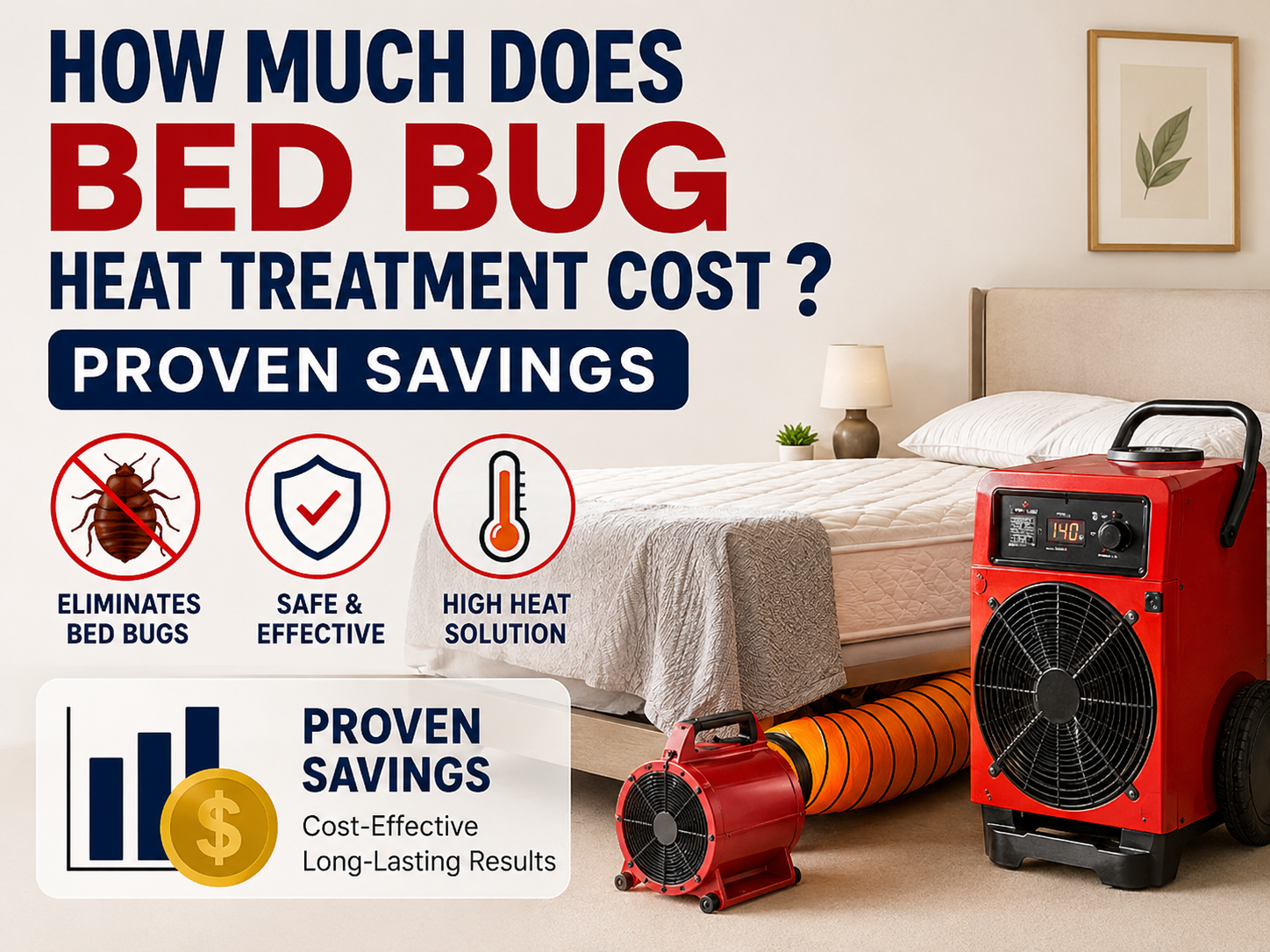
Home Heat Treatment For Bed Bugs | Powerful Bug Control
Home Heat Treatment For Bed Bugs | Powerful Bug Control

Bed bugs can turn a comfortable home into a place of constant worry. You may notice itchy bites, tiny stains on bedding, or the unmistakable signs of an infestation around your mattress. When these pests settle into furniture, cracks, and hidden spaces, ordinary cleaning may not be enough. Home Heat Treatment For Bed Bugs offers a powerful approach that uses controlled heat to target bed bugs throughout an affected area.
Unlike treatments that depend only on surface sprays, heat can reach many of the places where bed bugs hide. With the right preparation and professional equipment, a carefully managed heat treatment can help eliminate bed bugs at different life stages, including eggs. The key is using the right temperature, maintaining it long enough, and ensuring that the entire treatment area receives sufficient heat.
This guide explains how home heat treatment works, why it is effective, how to prepare your home, and why professional expertise matters when dealing with a serious infestation.
What Is Home Heat Treatment For Bed Bugs?
Home Heat Treatment For Bed Bugs is a pest-control method that uses specialized heating equipment to raise the temperature of an infested room or treatment area to a level that bed bugs cannot survive. Instead of relying primarily on chemical products, the process uses carefully monitored heat to penetrate hiding places such as furniture joints, mattress seams, baseboards, and cracks.
Bed bugs are small, resilient insects that can survive in difficult-to-reach locations. They may hide inside bed frames, behind furniture, under carpets, and in narrow gaps around a room. A properly conducted heat treatment is designed to reach these hidden areas rather than treating only the places where bugs are visible.
How Heat Affects Bed Bugs
Bed bugs are vulnerable to sustained temperatures above their normal survival range. Professional technicians use temperature sensors and specialized equipment to monitor the treatment area and ensure that the necessary heat is maintained.
The process generally involves:
- Raising the temperature gradually.
- Monitoring heat levels in different parts of the treatment area.
- Maintaining the required temperature for an appropriate period.
- Checking difficult-to-reach locations.
- Cooling the area safely after treatment.
The goal is not simply to make a room feel hot. It is to create a controlled environment where heat reaches the places bed bugs are hiding.
Why Bed Bug Eggs Matter
Bed bug eggs can be particularly difficult to eliminate with ordinary cleaning because they are attached to surfaces and may be hidden in small cracks. A properly managed heat treatment is designed to address eggs as well as adult bed bugs and nymphs.
However, heat must reach the eggs at the required temperature for the appropriate duration. Simply turning up a household heater or using a hair dryer is not a reliable substitute for professional treatment.
Why Choose Heat Treatment For A Bed Bug Infestation?
Bed bugs are difficult to control because they can hide in places that are easy to overlook. A mattress may look clean while bugs remain inside the bed frame, furniture, or nearby cracks. Home Heat Treatment For Bed Bugs is designed to address this problem by treating the environment rather than only the visible insects.
Heat Reaches Hidden Areas
One of the biggest advantages of heat treatment is its ability to reach many hidden locations. Bed bugs do not always stay on the mattress. They may move into furniture, wall gaps, electrical areas, and other protected spaces.
Professional heat treatment uses equipment and monitoring methods to help ensure that the treatment area reaches the necessary conditions. This makes it a useful option when an infestation has spread beyond one visible location.
Heat Can Target Different Life Stages
A successful treatment must address more than adult bed bugs. Nymphs and eggs can also contribute to the continuation of an infestation. Professional heat treatment is designed to expose bed bugs at different stages to conditions that can eliminate them.
This is especially important because missing eggs or hidden nymphs may allow the infestation to return.
Heat Does Not Depend Only On Surface Sprays
Chemical treatments can be useful in certain situations, but they may not reach every hiding place. Heat treatment provides another approach by using temperature as the primary control method.
That does not mean heat is always the best solution for every infestation. The right method depends on the condition of the property, the extent of the infestation, and the materials in the treatment area.
Heat Treatment Can Be Efficient When Properly Managed
A professionally planned treatment can address an entire room or treatment area in one coordinated process. The exact duration depends on the size of the area, the structure of the space, the amount of furniture, and the conditions required for effective treatment.
The important point is that heat treatment should be planned and monitored rather than rushed.
How Professional Bed Bug Heat Treatment Works
Bed Bug Professional Heat Treatment is a specialized process that requires equipment, preparation, and careful monitoring. Professional technicians understand that bed bugs can survive in hidden spaces, so the treatment must be designed to reach those areas.
Step 1: Inspect The Infested Area
Before heating begins, the treatment area should be inspected for signs of bed bugs and possible hiding places. This helps identify where the infestation is concentrated and whether additional preparation is needed.
The inspection may include:
- Mattress seams and box springs.
- Bed frames and headboards.
- Furniture joints and drawers.
- Baseboards and cracks.
- Upholstered furniture.
- Areas near sleeping spaces.
A thorough inspection helps the technician understand the treatment area and plan the process accordingly.
Step 2: Prepare The Room
Preparation is an important part of Home Heat Treatment For Bed Bugs. Items that may be damaged by heat should be removed or handled according to professional instructions. Certain materials, electronics, and heat-sensitive products require special attention.
Technicians may also need to arrange furniture or open certain areas so that heat can circulate more effectively. The purpose of preparation is to reduce obstacles and help the treatment reach hidden spaces.
Step 3: Set Up Specialized Heating Equipment
Professional heating equipment is used to raise the temperature in the treatment area. The equipment is positioned carefully to distribute heat while avoiding damage to the property.
This is one reason professional treatment is different from attempting to heat a room with ordinary household appliances. Specialized equipment is designed for controlled pest treatment, not simply for warming a space.
Step 4: Monitor Temperature Throughout The Treatment
Temperature monitoring is essential. A room may feel hot near the center while cooler areas remain in corners, furniture, or other hidden locations.
Technicians use sensors to monitor conditions in different parts of the treatment area. This helps identify whether the required temperature is being reached where bed bugs may be hiding.
Step 5: Maintain The Required Heat
The treatment must maintain the necessary conditions for an appropriate period. The exact temperature and duration depend on the treatment plan, the materials involved, and the conditions required for effective control.
The goal is to ensure that heat reaches the areas where bed bugs are present rather than stopping as soon as the room feels warm.
Step 6: Cool And Inspect The Area
After treatment, the area is allowed to cool safely. The technician may inspect the treated space and provide guidance on any follow-up steps that are needed.
A professional process focuses on both the treatment itself and the steps that help prevent the infestation from returning.
Heat Treat House For Bed Bugs: What Homeowners Should Know
When homeowners decide to Heat Treat House For Bed Bugs, preparation and professional guidance are essential. Heat treatment is not simply a matter of turning up the thermostat. It requires a controlled process that accounts for the structure, materials, and potential hiding places in the home.
Whole-Room Treatment Vs. Localized Treatment
Some infestations may be concentrated in one room, while others may have spread to several areas. A professional technician can assess whether a localized treatment or a broader treatment plan is appropriate.
The choice depends on the infestation, the layout of the property, and where bed bugs are found.
Why Preparation Makes A Difference
A well-prepared room allows heat to circulate more effectively. Items that block airflow or create cooler areas may interfere with the treatment process.
Homeowners should follow the technician's preparation instructions carefully. Moving items without guidance or leaving heat-sensitive materials in the treatment area can create unnecessary risks.
Professional Heat Treatment Is Different From DIY Heating
DIY heating methods are often unreliable because they cannot consistently monitor the temperature throughout the treatment area. A household heater may warm one part of a room while leaving other areas too cool.
Home Heat Treatment For Bed Bugs requires more than high temperature. It requires controlled heat, proper monitoring, and a treatment plan that accounts for hidden spaces.
Heat Exterminator For Bed Bugs: Why Professional Expertise Matters
A Heat Exterminator For Bed Bugs uses specialized equipment and experience to manage the treatment process safely and effectively. Professional knowledge matters because bed bugs can hide in areas that are difficult to inspect, and heat must be applied carefully.
Professional Equipment Helps Maintain Control
Professional heating systems are designed to raise and maintain temperatures in a controlled manner. Technicians can monitor the treatment area and adjust the process as needed.
This is important because overheating can damage certain materials, while insufficient heat may leave bed bugs alive.
Technicians Understand Hidden Bed Bug Locations
Bed bugs may hide in mattress seams, furniture joints, cracks, and other protected spaces. A professional technician understands these common hiding places and can plan the treatment accordingly.
The goal is to treat the environment comprehensively rather than focusing only on visible bugs.
Safety Is A Major Part Of The Process
Heat treatment involves high temperatures, so safety precautions are essential. Certain materials, electronics, and household items may require removal or special handling.
A professional heat exterminator can explain what needs to be done before treatment begins and help reduce the risk of damage or unsafe conditions.
Bed Bug Heat Extermination: A Powerful Approach To Pest Control
Bed Bug Heat Extermination is a method that uses controlled heat to eliminate bed bugs in an affected area. It can be especially useful when bed bugs have spread into furniture, cracks, or other places where ordinary cleaning may not reach.
Heat Can Treat More Than The Mattress
Many people first notice bed bugs on their mattress, but the infestation may extend beyond the bed. Bed bugs can hide in nearby furniture, behind headboards, and around the room.
A professional heat treatment is designed to address the broader environment rather than treating only the most obvious location.
Heat Treatment Can Help Reduce Hidden Infestation Risks
Because heat can reach many hiding places, it may help reduce the chance that hidden bugs survive the treatment. However, success depends on proper preparation, sufficient heat, and careful monitoring.
No treatment method should be considered effective simply because the room becomes warm. The process must be conducted correctly.
Follow-Up Still Matters
Even after a successful treatment, homeowners should remain alert for signs of bed bugs. Follow-up inspections and monitoring can help identify any remaining activity or a new infestation.
If bed bugs return, it is important to investigate the cause rather than assuming the original treatment was ineffective.
How To Prepare For Home Heat Treatment For Bed Bugs
Preparation is one of the most important parts of Home Heat Treatment For Bed Bugs. The technician may provide specific instructions based on the treatment area and the materials inside it.
Remove Heat-Sensitive Items
Certain items may be damaged by high temperatures. These can include:
- Aerosol cans.
- Certain medications.
- Some cosmetics and personal-care products.
- Items that may melt or deform.
- Heat-sensitive materials.
- Products that require special storage conditions.
Always follow the technician's instructions about what should be removed.
Reduce Clutter Where Possible
Clutter can create obstacles that interfere with heat circulation. Removing unnecessary items from the treatment area can help make the process more efficient.
However, do not move potentially infested items into another room without professional guidance. This may spread bed bugs to new areas.
Follow Instructions For Electronics And Furniture
Electronics and furniture may require special handling depending on the treatment plan. A professional technician can explain which items need to be unplugged, moved, or removed.
The goal is to make the treatment area safe and accessible while protecting the property.
Do Not Attempt To Heat The Home Yourself
Using household heaters, ovens, or other appliances to heat a room is not a reliable way to eliminate bed bugs. It may create fire hazards, damage property, or leave cooler areas where bugs survive.
Professional Bed Bug Heat Extermination uses specialized equipment and monitoring to reduce these risks.
Common Mistakes To Avoid During Bed Bug Heat Treatment
Mistake 1: Treating Only The Mattress
Bed bugs can hide in many places beyond the mattress. Treating only the bed may leave an infestation in furniture, cracks, or nearby areas.
Mistake 2: Using Household Heating Equipment
Household heaters are not designed for controlled pest treatment. They may not distribute heat evenly or maintain the conditions needed for effective control.
Mistake 3: Skipping Preparation
Preparation helps the technician treat the area more effectively and safely. Ignoring preparation instructions may create obstacles or increase the risk of damage.
Mistake 4: Moving Infested Items Without Guidance
Moving furniture, bedding, or other items into another room can spread bed bugs. It is better to follow professional instructions before relocating potentially infested belongings.
Mistake 5: Assuming One Treatment Always Solves Every Problem
The success of Home Heat Treatment For Bed Bugs depends on the infestation, the treatment area, and the quality of the process. Follow-up monitoring may still be necessary, especially if bed bugs have spread to multiple areas.
How To Prevent Bed Bugs From Returning
After treatment, prevention is important. Bed bugs can be introduced into a home through luggage, used furniture, clothing, and other items.
Inspect Used Furniture
Before bringing used furniture into your home, inspect it carefully for signs of bed bugs. Pay attention to seams, cracks, joints, and hidden areas.
Be Careful With Travel Belongings
After traveling, inspect luggage and clothing before bringing them into bedrooms or other living spaces. Bed bugs can travel in bags and clothing.
Keep Sleeping Areas Easy To Inspect
Reducing clutter around beds and furniture can make it easier to notice signs of bed bugs early. Regular inspection can help identify problems before they become more widespread.
Respond Quickly To Signs Of Infestation
If you notice bed bugs, do not wait for the infestation to become severe. Early professional assessment can help determine the most appropriate treatment approach.
Why Home Heat Treatment For Bed Bugs Is Worth Considering
Home Heat Treatment For Bed Bugs is a powerful pest-control option because it uses controlled heat to target bed bugs in hidden areas. It can address different life stages, including eggs, and may be useful when an infestation has spread beyond the mattress.
The most important factors are proper preparation, specialized equipment, temperature monitoring, and professional expertise. Heat treatment is not a shortcut or a simple DIY heating method. It is a carefully managed process designed to treat the affected environment.
If you suspect bed bugs in your home, a professional assessment can help you understand the extent of the infestation and whether heat treatment is the right solution.
Choose Professional Bed Bug Heat Treatment For Reliable Protection
Bed bugs can be difficult to eliminate because they hide in places that are easy to overlook. Bed Bug Professional Heat Treatment provides a specialized approach that focuses on reaching those hidden areas through controlled heat.
With proper preparation and professional monitoring, heat treatment can help address bed bugs throughout an affected room or treatment area. It is an effective option to consider when you want a thorough approach to pest control.
For more information about professional Home Heat Treatment For Bed Bugs, visit the website to learn how specialized heat treatment can help protect your home from bed bug infestations.